

 Indie games
If Red Then Stop introduces first playable demo and turns traffic programming into an educational challenge

quinta, 24 de setembro de 2026 08h 06min
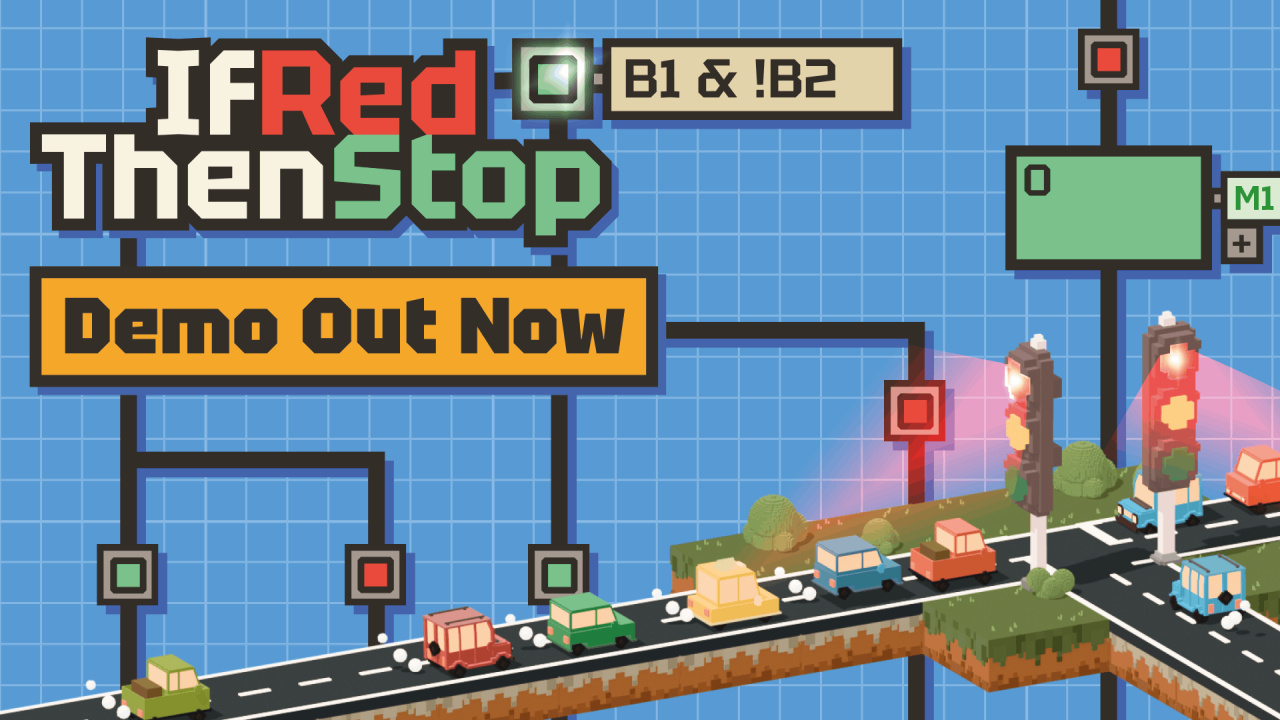
Metaroot and Kerzoven have announced the release of the first playable demo of If Red Then Stop, a programming game that turns automation concepts into challenges based on controlling traffic lights, barriers, and other traffic equipment. The concept puts players in charge of solving urban traffic problems through programming, using time-dependent processes and state machines to control how infrastructure operates.
The project, however, did not originally begin as a game. Before taking its current form, Kerzoven had developed an educational application for universities, designed to teach engineering students about state automation through the programming of traffic lights. The experience became the foundation for a broader concept capable of turning a technical subject into an accessible interactive activity for different audiences.
The transformation of the educational prototype into a commercial game gained momentum around the release of The Farmer Was Replaced, a title published by Metaroot. The publisher saw potential in Kerzoven's existing tool and considered that the concept could follow a similar path, making a real programming principle more approachable and entertaining. Following this collaboration, the team decided to expand the academic project and develop it into a complete game.
Kerzoven then began adapting the original tool, expanding its systems and structuring challenges designed to teach programming while introducing increasingly complex situations. The project was revealed in October 2025 alongside the 1.0 release of The Farmer Was Replaced, which later achieved significant results and helped establish the context for the new production.
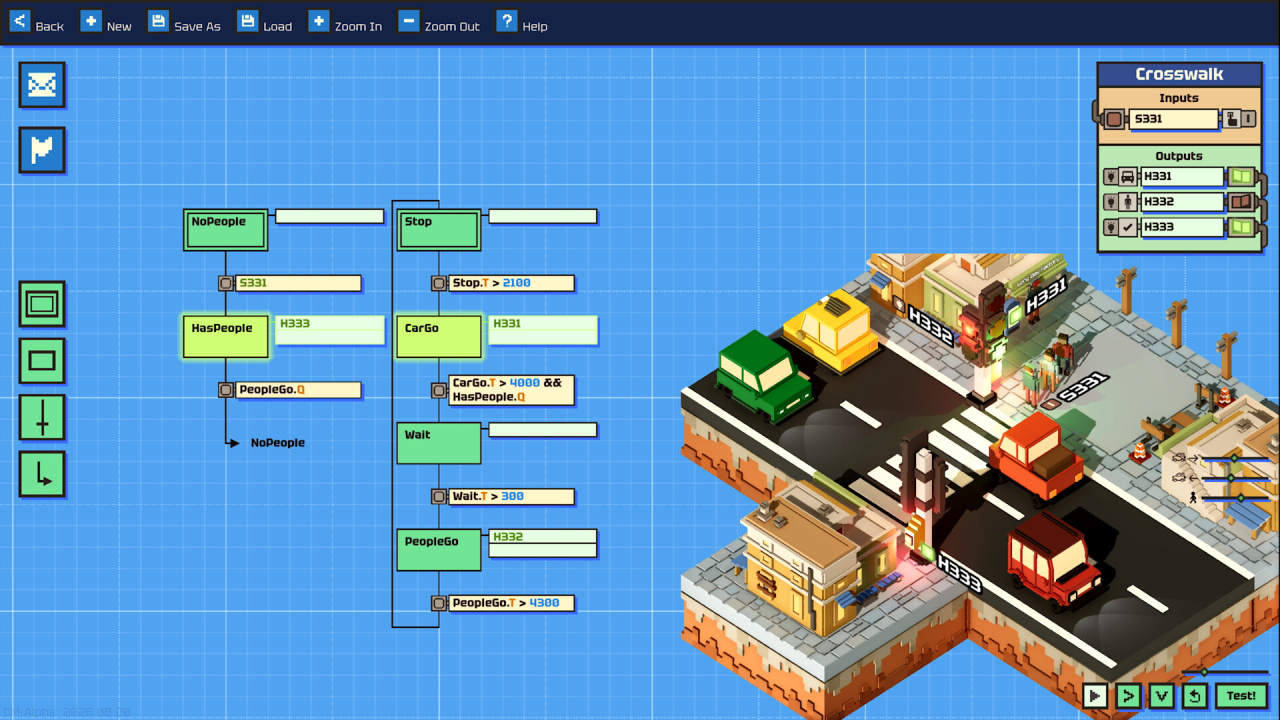
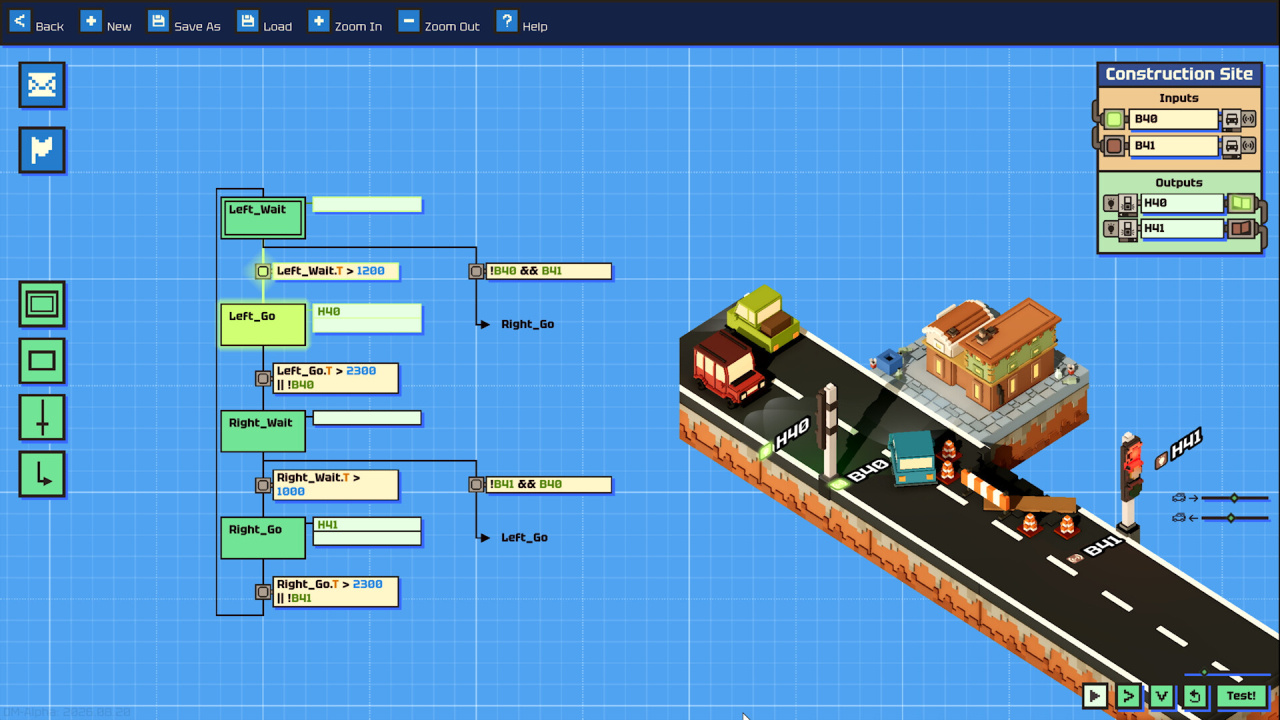
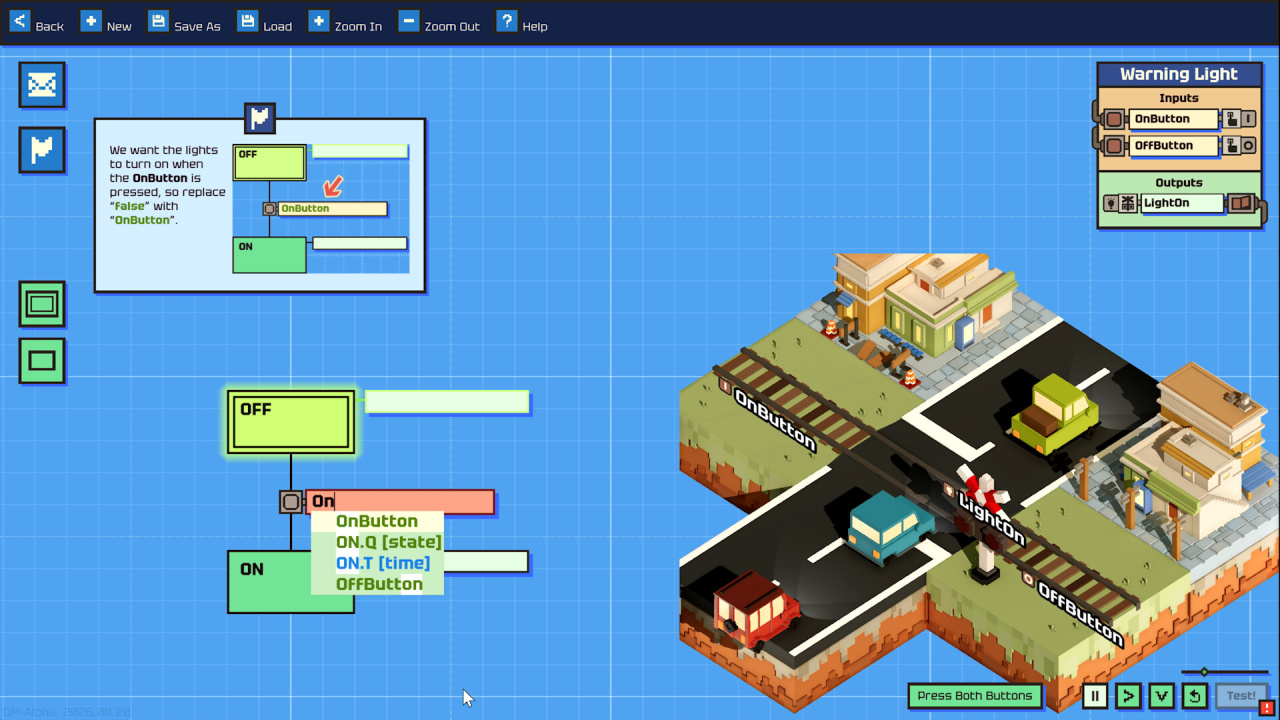
The first playable demo introduces the fundamentals of state machines across six levels, where players must build state sequences and program different elements of the city's infrastructure. Learning takes place as new situations are introduced, requiring greater control over traffic lights, barriers, and other mechanisms responsible for managing traffic flow.
The challenges also gradually increase in scale, moving from the control of individual pieces of equipment to situations involving cars, pedestrians, and entire traffic systems. The experience requires every programming decision to account for the passage of time and changing environmental conditions, making code efficiency directly affect the ability to keep the city running without causing a traffic collapse.
The demo therefore represents the first broader public look at an experience that began as an academic tool and evolved into an entertainment project focused on programming education. The game aims to bring concepts such as state machines and automation closer to players through familiar situations, using traffic management as a practical and progressive way to introduce these fundamentals.
Related news!
Indie games
 Indie games
 Indie games
 Indie games
 Indie games