
 Indie games
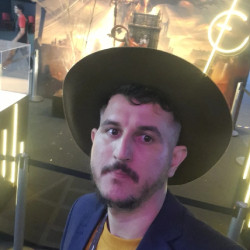
Chris Hewish president of Xsolla comments on the main trends expected for the GDC 2026

segunda, 9 de março de 2026 15h 03min

The Game Developers Conference 2026 (GDC), held from March 9 to March 13, once again brings together professionals from around the world in one of the most important gatherings in the video game industry. In an interview given to the Watermelo portal, Chris Hewish, president of Xsolla, commented on the main trends expected for this year's event, highlighting changes in how studios and developers are approaching technology, production, and sustainability within the sector.
When discussing the themes expected to dominate this year's discussions, Hewish stated: "I'm expecting the dominant theme at GDC to be pragmatic AI. The conversation has shifted from hype to implementation, diving into how studios are actually using AI in pipelines, where it saves time, and where it introduces risk. We'll also see heavy focus on sustainable production after years of industry instability, smarter scope control in AAA, and stronger indie visibility."
The executive also spoke about how the focus of the event has shifted over the past few years and what may surprise attendees in this edition. According to him, "A few years ago, GDC was about next-gen graphics, live-service growth, and explosive expansion. But post-pandemic and post-correction, the tone is very different. Now it's about resilience, lean teams, profitability, and creative ownership. What's surprising is how openly developers are questioning generative AI's long-term impact on jobs and craft. The discourse feels more critical and mature. It's less 'What's possible?' and more 'What's responsible and sustainable?'"
Another point highlighted in the interview was the growing impact of global regulations on game development and distribution. According to Hewish, "Regulation is now a design constraint, not just a legal checkbox. Frameworks like the EU's Digital Services Act and Artificial Intelligence Act are shaping how studios handle player data, AI-driven features, and child safety. Meanwhile, global rating systems like the International Age Rating Coalition help streamline distribution, but compliance still varies by region. Studios are building regulatory review into early development, especially for live-service and AI-driven games."
Finally, the president of Xsolla also offered recommendations to policymakers seeking to regulate artificial intelligence and video games without compromising innovation in the industry. In his words, "First, regulate outcomes, not tools. AI used internally for prototyping isn't the same as AI influencing player behavior at scale. Use risk-based frameworks instead of blanket bans. Second, prioritize transparency and consumer protection over prescriptive design rules. Third, engage developers early; game production cycles are long and iterative. Smart policy should protect players, especially minors, while preserving the experimentation that keeps this industry culturally and economically vibrant."
I'm expecting the dominant theme at GDC to be pragmatic AI. The conversation has shifted from hype to implementation, diving into how studios are actually using AI in pipelines, where it saves time, and where it introduces risk. — Chris Hewish, President of Xsolla
Related news!
Indie games
 Indie games
 Games
Games
 Indie games
 Events