

 Indie games
Rise of the Merchants challenges players to plan trade routes and balance supplies to ensure effective local political management

quinta, 22 de outubro de 2026 10h 57min
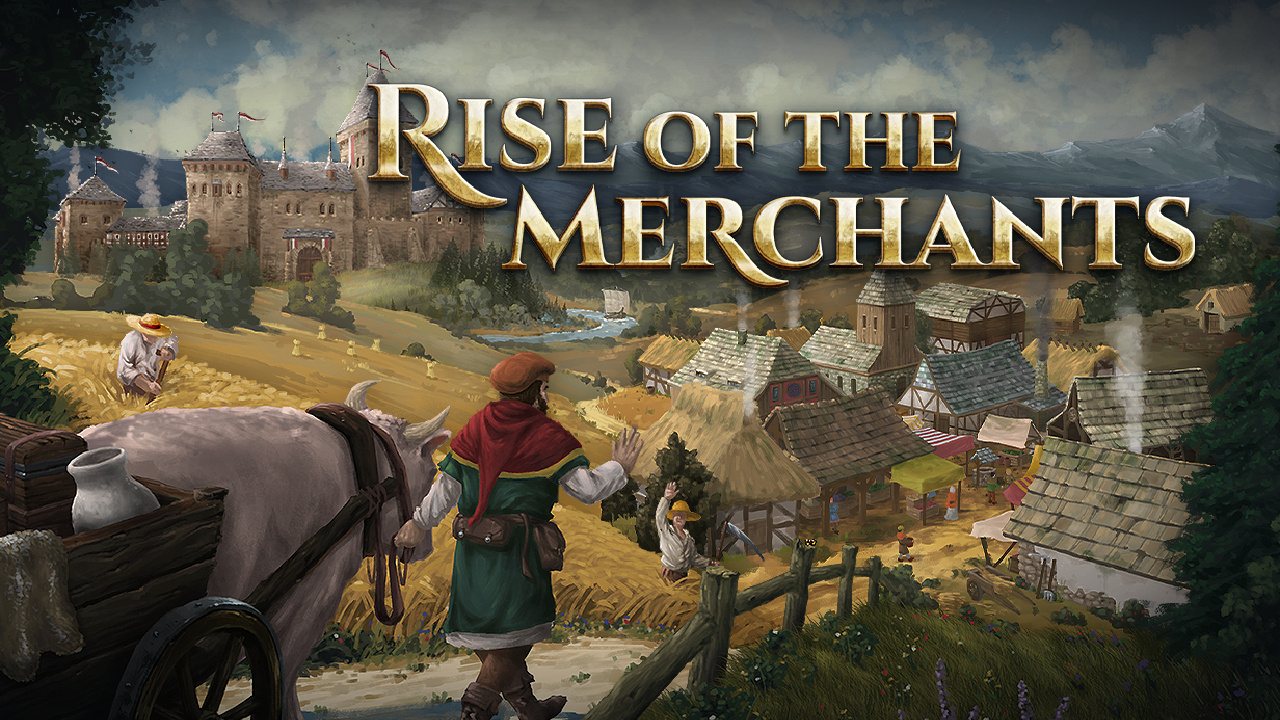
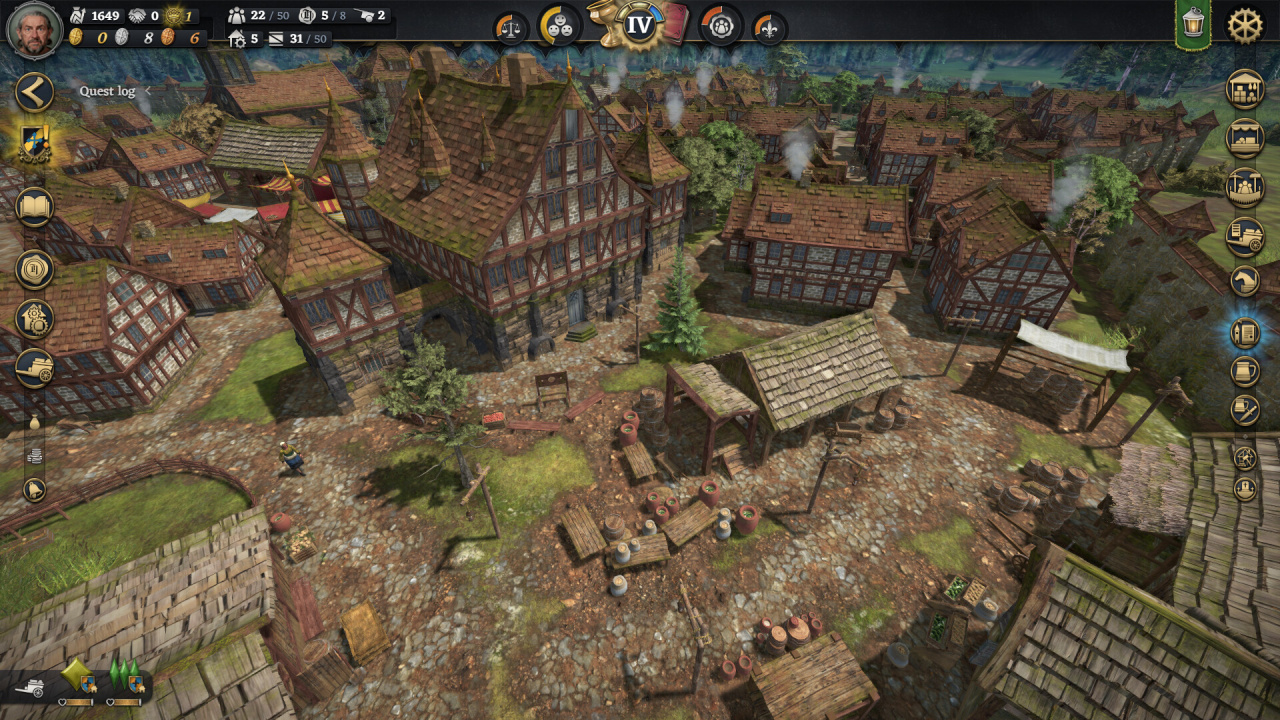
The economic, political, and city-building simulator Rise of the Merchants arrives on Steam in Early Access on October 28, introducing a persistent and interconnected medieval world. Developed by Black Duke Games and published by Three River Games (3RG), the game challenges players to transform a modest settlement into a major trading hub by constructing more than 50 types of facilities, gathering resources, and establishing complex production chains. Trade involves both NPCs and other players, requiring careful planning to balance resources, production, and economic expansion.
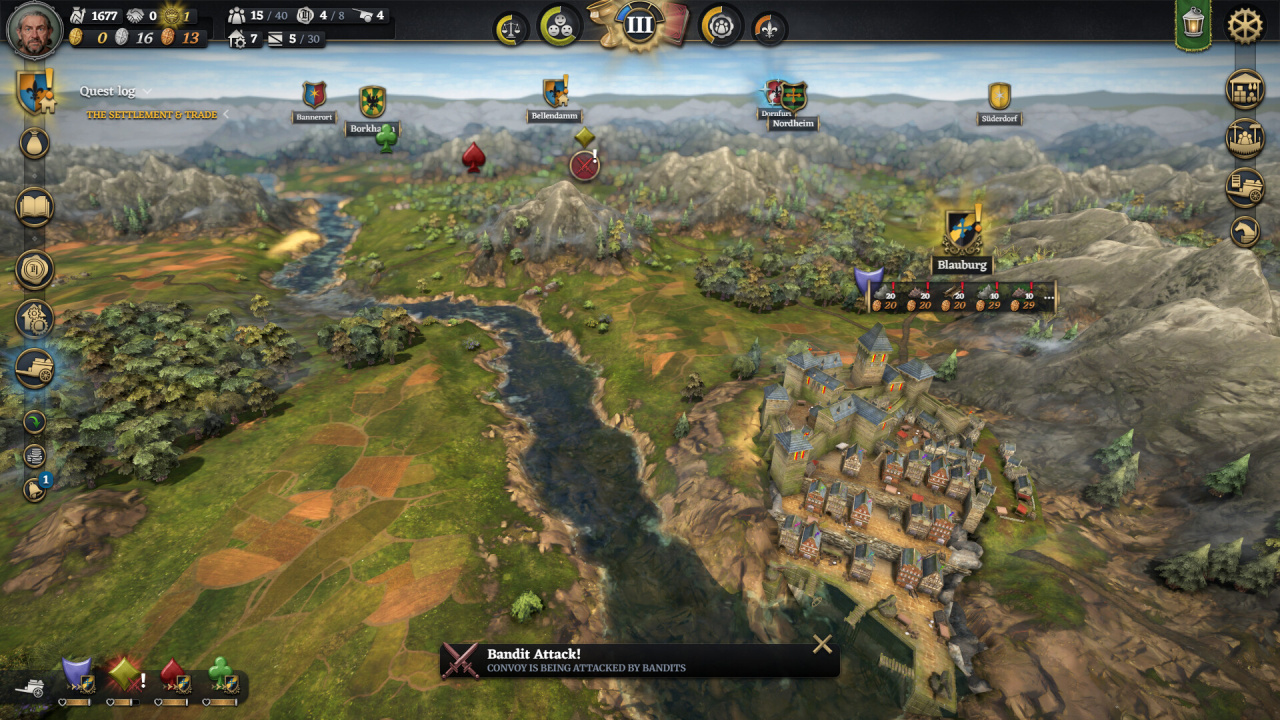
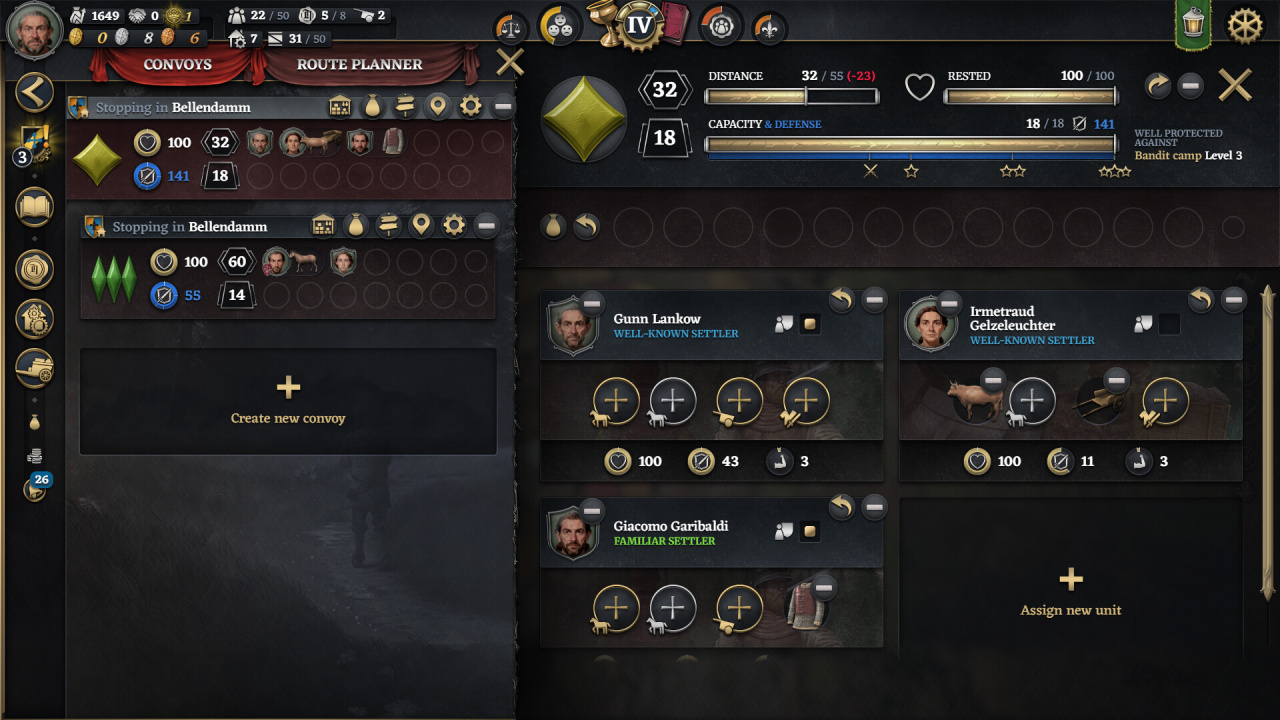
Trading routes present one of the main challenges, as long distances, difficult terrain, and bandits can jeopardize the transportation of goods. Choosing routes and assessing risks affect the profitability of each venture, making it essential to consider costs and the potential consequences of every decision before expanding into new markets.
The city's inhabitants have individual skills, traits, and needs that influence production, trade, and daily life. Each character's development combines with administrative decisions to create unpredictable situations, giving the population a role that extends beyond simply performing tasks in production facilities.
Political advancement allows players to expand their influence through negotiations, strategic alliances, and relationships with the nobility. In addition to seeking political offices and winning the favor of influential figures, players can resort to intrigue and sabotage in optional encounters against other participants, adding power struggles to the management of their settlements.
The online world remains active and evolves according to the actions of its participants, whose trade relationships, cooperation, and rivalries shape the shared environment. Seasonal changes introduce new challenges and opportunities for business expansion, combining city building, economic simulation, and political strategy in an experience where growth depends on both resource management and the ability to gain influence.
Related news!
Indie games
 Indie games
 Indie games
 Indie games
 Indie games